Gifting a food hamper feels like a warm hug wrapped in a basket. But behind the delicious spread lies a maze of rules that can trip up even the most well‑meaning giver. Whether you’re a small business, a charity, or simply a friend wanting to share a taste of home, understanding the legal landscape ensures your gift is both delightful and compliant. Let’s unpack the key regulations, sprinkle in some humor, and keep your hamper safe from legal snags.
Understanding the Basics of Food Hampers
Definition and Common Types
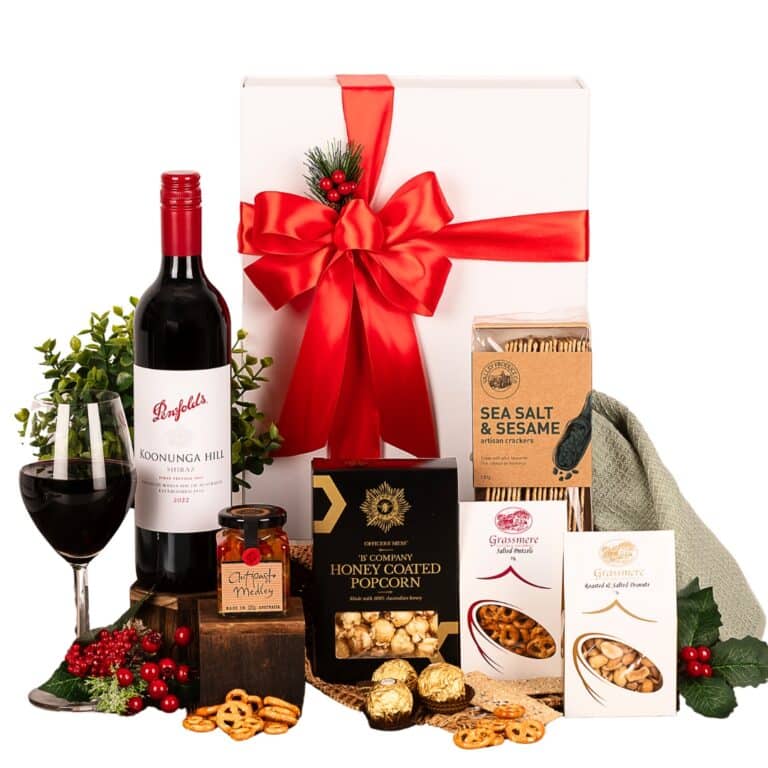
A food hamper can range from a simple jar of honey to a curated selection of artisanal cheeses, chocolates, and dried fruits. The core components usually include:
- Packaged goods with a clear ingredient list Non‑perishable items (or refrigerated items with proper handling) Optional add‑ons such as personalized notes or small gifts
Why Regulations Matter
You might wonder, “Why does a hamper need a legal checklist?” Think of regulations as the recipe’s safety instructions. They protect consumers from hidden allergens, mislabeling, and counterfeit products. For businesses, compliance keeps you out of the food‑borne disaster zone and protects your brand’s reputation.
Key Legal Regulations Across Jurisdictions
United States
In the U.S., the Food and Drug Administration (FDA) governs labeling, while the Department of Agriculture (USDA) oversees certain meats and dairy. Key points include:
- Ingredient disclosure: Every component must be listed. Allergen labeling: Must identify major allergens like nuts, dairy, or gluten. Nutrition facts: Required for most packaged foods.
United Kingdom
Post‑Brexit, the UK has retained much of the EU’s food safety framework, but with some tweaks:
- Food Hygiene Regulations: Mandate safe handling and storage. Food Information Regulations: Focus on clear labeling and allergen declarations. UK Food Standards Agency (FSA) provides guidance on permissible claims.
European Union
The EU’s Food Information for Consumers (FIC) Regulation sets uniform labeling standards across member states. Harmonization simplifies cross‑border gifting but requires vigilance over:
- Mandatory nutrition information. Country of origin labeling for certain products.
Canada
Health Canada’s Food and Drugs Act and the Food and Drugs Regulations cover labeling, health claims, and ingredient lists. The Canadian Food Inspection Agency (CFIA) monitors compliance, especially for imported items.
Australia
Australia’s Food Standards Code includes:
- Labeling requirements: Ingredient lists, allergens, and nutrition facts. Safety standards: Good Manufacturing Practice (GMP) for food producers.
Food Safety and Labeling Requirements
Ingredient Disclosure
Transparency is the secret sauce. Every item in the hamper must list its ingredients in descending order by weight. Skipping this step is like serving a mystery dish—unpleasant and potentially dangerous.
Allergens and Health Claims
If your hamper contains nuts or dairy, you must flag them prominently. Health claims such as “low fat” or “organic” need to be substantiated; otherwise, you’re stepping onto a slippery slope of false advertising.
Expiry Dates and Storage Instructions
Perishable items should carry a “best before” date. If refrigeration is needed, include clear instructions. Think of it as giving your recipient a roadmap to keep the hamper fresh, not a scavenger hunt.
Tax Implications and Gift Tax Rules
Value Limits for Tax‑Free Gifts
In many countries, gifts below a certain monetary threshold are exempt from gift tax. For example, in the U.S., the annual exclusion is $17,000 (2024). Exceeding that may trigger reporting requirements.
Reporting Requirements for Businesses
If you’re a retailer or service provider, you might need to report gifts as promotional expenses. Keep meticulous records: invoices, receipts, and a brief description of the gift’s purpose.
Practical Tips for Compliant Gifting
Choosing the Right Supplier
- Certified: Ensure the supplier has relevant certifications (e.g., ISO 22000). Transparent sourcing: Know where ingredients come from. Reputable: Check reviews and industry reputation.
Documentation and Record‑Keeping
Maintain a digital folder for each hamper:
- Supplier invoices Labeling compliance certificates Shipping documents
This acts as your safety net in case of audits.
Custom Packaging and Branding
Custom boxes and branding add a personal touch but must still comply with labeling laws. Avoid adding unverified health claims or misleading descriptors.
Common Pitfalls and How to Avoid Them
Mislabeling, Misleading Claims, and Food Fraud
A friend once sent a “hand‑crafted” ham with a “locally sourced” tag, only to discover the ham was imported from overseas. That’s a classic case of mislabeling. Always Christmas hamper Australia double‑check the origin and labeling claims.
Shipping Restrictions and Import Duties
Certain foods—like fresh meats—may be prohibited from international shipping. Check the customs regulations of the destination country before sending a hamper overseas.
The Perfect Gift Awaits
Imagine opening a hamper that feels like a culinary hug, with every item ticking the legal boxes. By following the guidelines above, you’ll avoid the legal equivalent of a food‑borne illness and instead deliver a gift that’s safe, compliant, and heartwarming.
Remember, gifting food is a generous act, but it’s also a responsibility. Treat the regulations as the seasoning that brings harmony to your hamper—without them, the dish might fall flat.
Ready to curate your next compliant hamper? Start by reviewing your local regulations, choose trustworthy suppliers, and keep meticulous records. Your recipients will thank you, and you’ll avoid the legal headaches that can turn a gift into a legal dilemma.
*“The best gifts are those that bring joy without legal complications.” – Anonymous Food Safety Advocate*